Most cardiovascular diseases can be prevented by addressing behavioural and environmental risk factors such as tobacco use, unhealthy diet and obesity, physical inactivity, harmful use of alcohol and air pollution.
- It is important to detect cardiovascular disease as early as possible so that management with counselling and medicines can begin
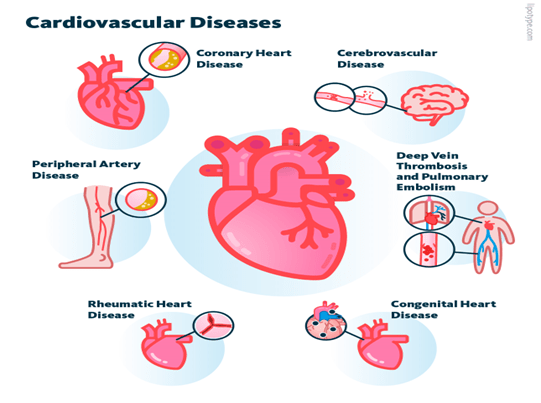
Cardiovascular diseases, or CVDs, are a group of conditions that affect the heart and blood vessels. They cover a wide range of issues, including: - Coronary heart disease – when the blood vessels that supply the heart get narrowed or blocked.
- Cerebrovascular disease – which affects the blood flow to the brain, often leading to strokes.
- Peripheral arterial disease – when blood flow to the arms or legs is reduced due to blocked arteries.
- Rheumatic heart disease – damage to the heart caused by rheumatic fever, which can happen after infections like strep throat.
- Congenital heart disease – heart problems that are present from birth due to improper development of the heart.
- Deep vein thrombosis and pulmonary embolism – blood clots in the legs that can travel to the lungs or heart, becoming life-threatening.
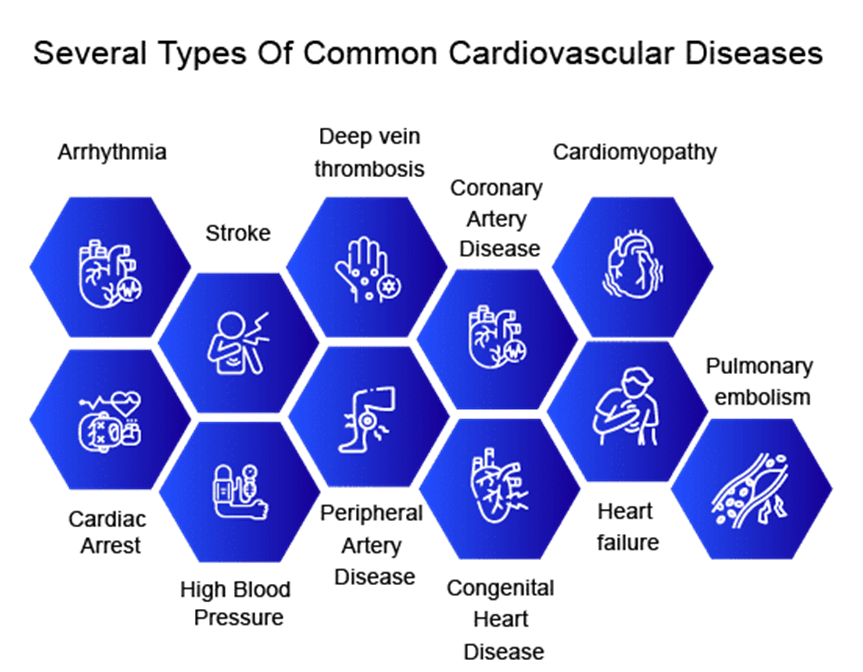
Heart attacks and strokes are among the most serious types of CVDs. They often happen suddenly and are usually caused by a blockage in the blood flow to the heart or brain. This blockage is most commonly due to a build-up of fatty deposits in the blood vessels. In some cases, strokes can also be caused by a blood vessel bursting or by clots blocking blood flow in the brain.
Causes and Risk Factors of Cardiovascular Diseases
There isn’t just one cause of heart disease—usually, it’s a combination of factors that slowly build up over time. Some of these you can control, like your lifestyle choices, while others, like age or family history, are out of your hands. But understanding the risks is the first step toward prevention.
Here are the major causes and risk factors:
- Atherosclerosis: This is when plaque—made of fat, cholesterol, and other substances—builds up in your arteries, narrowing them and making it harder for blood to flow. It’s one of the most common causes of heart problems.
- High Blood Pressure (Hypertension): Constant high pressure puts stress on your arteries, damaging them over time.
- High Cholesterol: When cholesterol levels are too high, it can lead to more plaque in the arteries.
- Diabetes: High blood sugar levels can damage blood vessels and increase the risk of heart disease.
- Smoking: Smoking doesn’t just affect your lungs—it also damages the lining of your arteries and increases the chance of clots.
- Lack of Physical Activity: A sedentary lifestyle makes the heart weaker and increases the risk of high blood pressure, obesity, and diabetes.
- Obesity: Carrying extra weight, especially around the belly, is linked to higher blood pressure, cholesterol, and blood sugar levels.
- Unhealthy Diet: Diets high in saturated fats, trans fats, salt, and sugar can raise cholesterol and blood pressure.
- Family History: If heart disease runs in your family, your risk might be higher too, even with a healthy lifestyle.
- Age and Sex: As you get older, your risk increases. Men are generally at higher risk earlier in life, although women’s risk rises after menopause.
The good news? Many of these risk factors are manageable. With healthy habits and regular checkups, you can reduce your chances of heart problems and live a longer, healthier life.
Symptoms of a Stroke
A stroke usually comes without warning and needs immediate medical attention. The most common sign is sudden weakness or numbness in the face, arm, or leg—often on one side of the body.
Other warning signs include:
- Trouble speaking or understanding what others are saying
- Sudden confusion
- Blurred or lost vision in one or both eyes
- Difficulty walking, dizziness, or loss of balance
- A severe headache that comes out of nowhere
- Fainting or loss of consciousness
 Sneh Lifescience
Leave a comment