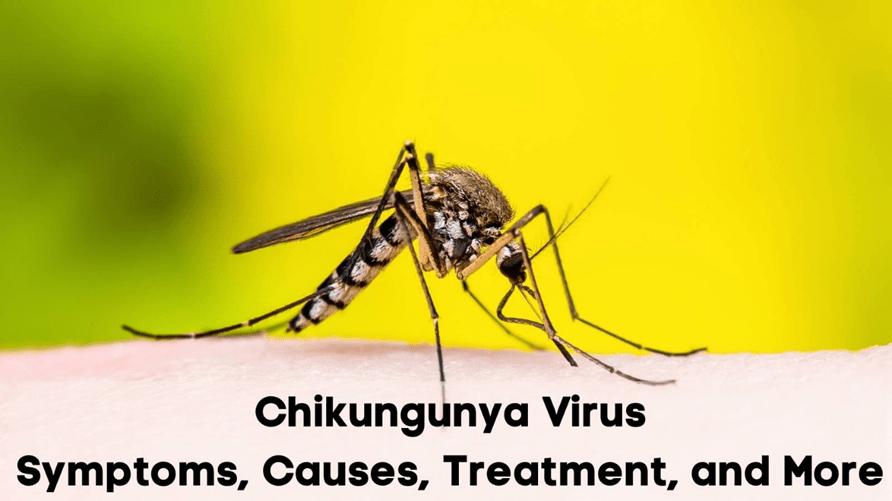
Chikungunya is a mosquito-borne viral disease caused by the chikungunya virus (CHIKV), an RNA virus of the Togaviridae family. The name “chikungunya” originates from the Kimakonde language, meaning “that which bends up,” describing the stooped posture due to intense joint pain.
Distribution & Outbreaks
The first Chikungunya outbreak was recorded in Tanzania (1952). Since then, it has spread rapidly across Africa, Asia, Europe, and the Americas.
Due to viral mutation and transmission by Aedes aegypti and Aedes albopictus mosquitoes, outbreaks have increased significantly since 2004. Today, Chikungunya has been reported in over 110 countries worldwide.
Difference Between Dengue and Chikungunya
Both Dengue and Chikungunya are spread by the same mosquito species — Aedes aegypti and Aedes albopictus — and mostly occur in tropical and subtropical regions. However, they differ in severity, complications, and duration.
Cause of Infection
- Chikungunya is caused by the Togaviridae alphavirus.
- Dengue is caused by the Flaviviridae flavivirus.
Incubation Period
- Chikungunya: 3 to 10 days
- Dengue: 4 to 7 days
Chikungunya symptoms appear slightly earlier after the mosquito bite compared to dengue
Both are RNA viruses but belong to different viral families, which explains the variation in symptoms and disease progression.
How Chikungunya Spreads
Chikungunya spreads through the bite of infected female Aedes mosquitoes, the same type that transmits dengue and Zika.
These mosquitoes:
- Breed in stagnant water (flower pots, buckets, containers).
- Bite mainly during daytime.
- Multiply the virus in their system and spread it through bites to humans.
Chikungunya Symptoms
After being bitten by an infected mosquito, symptoms usually appear within 2–12 days (commonly 4–8 days).
Common symptoms include:
- Sudden high fever
- Severe joint pain (lasting weeks to months)
- Headache, fatigue, rash, muscle pain, and nausea
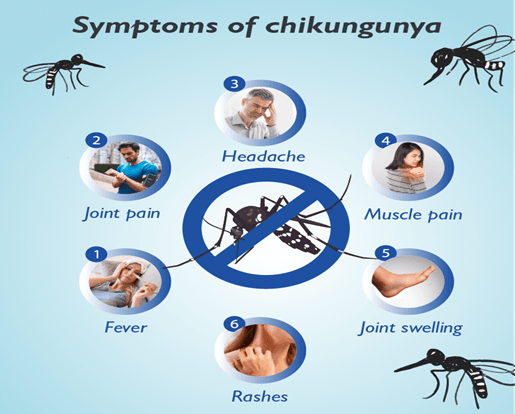
- Chikungunya can easily be mistaken for dengue or Zika, so medical testing is essential. Severe complications can affect the eyes, heart, or nervous system, especially in newborns, elderly, and those with chronic conditions.
Diagnosis
- RT–PCR test detects the virus in blood during the first week of illness.
- IgM/IgG antibody tests detect the immune response after the first week and can stay positive for up to two months.
Treatment
Currently, there is no specific antiviral medicine for chikungunya.
Treatment focuses on relieving symptoms:
- Get plenty of rest and stay hydrated.
- Take paracetamol (acetaminophen) to reduce fever and pain.
- Avoid NSAIDs like ibuprofen until dengue is ruled out (they can cause bleeding).
Vaccines:
Two chikungunya vaccines have received regulatory approvals in some countries but are not yet widely available.
Prevention & Control
Since no specific cure exists, prevention is key.
✅ Protect yourself from mosquito bites:
- Apply mosquito repellents containing DEET, IR3535, or icaridin.
- Wear long sleeves and cover exposed skin.
- Use window and door screens.
- Sleep under insecticide-treated mosquito nets (especially for infants, elderly, and sick individuals).
✅ Eliminate mosquito breeding sites:
- Empty and clean water containers weekly.
- Dispose of garbage and avoid stagnant water around your home.
- Participate in community mosquito-control programs.
 Sneh Lifescience
Leave a comment