Neuromyelitis Optica, also called Devic disease or Neuromyelitis Optica Spectrum Disorder (NMOSD), is a serious condition that affects the central nervous system, mainly the optic nerves and the spinal cord.
What Causes NMO?
NMO is an autoimmune disorder, which means the body’s immune system mistakenly attacks its own healthy cells. In this case, it targets important parts of the nervous system, especially a protein called aquaporin-4. This can sometimes happen after an infection, or in people who already have other autoimmune conditions.

Where in the Body Does NMO Strike?
- Optic nerves, which carry messages from the eyes to the brain — leading to vision problems or even blindness.
- Spinal cord, which can affect how the body moves and feels.
- Sometimes, it can also affect the brain.
Common Symptoms to Watch For:
- Blurred vision or sudden vision loss
- Weakness or even paralysis in the arms or legs
- Painful muscle spasms
- Numbness or loss of feeling
- Nausea, vomiting, or hiccups that won’t go away
- Trouble with bladder or bowel control
How Does the Illness Progress?
NMO often comes in flare-ups, also called relapses. Symptoms may get better for a while, but they can return—and sometimes more severely. Each relapse can cause long-term damage, so preventing these is key to avoiding lasting disability.
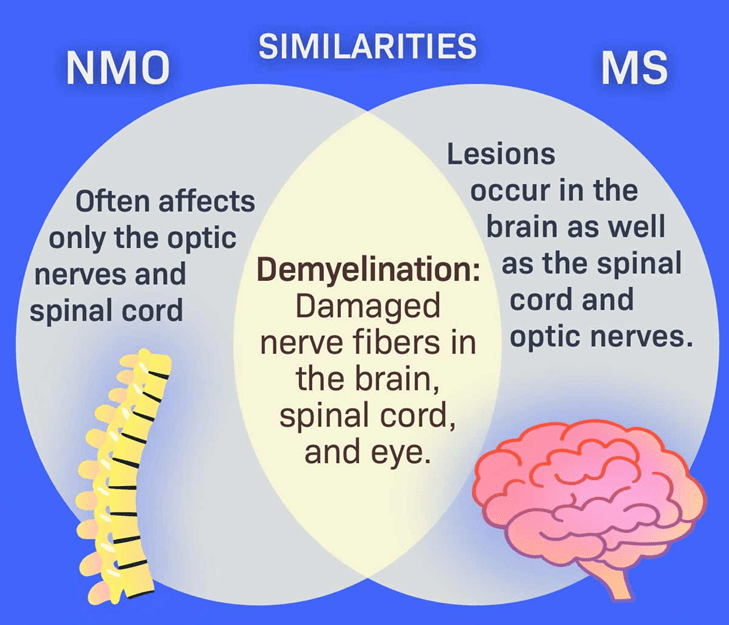
Is It the Same as MS?
NMO is sometimes confused with Multiple Sclerosis (MS) because they can look similar at first. But they are different conditions and need different treatments. That’s why getting the right diagnosis is so important.
How Is It Treated?
There’s no cure yet, but the main goal is to prevent relapses and reduce inflammation. This usually involves immunosuppressive medications to calm the immune system and protect the nerves.
 Sneh Lifescience
Leave a comment